
Closing the Gap: What the MPFL's Smaller Clubs Must Do to Challenge the Big Three
Four circuits into the 2026 season, the shape of the MPFL is clear, and the gap between the big three and everyone else is structural, not just a matter of points. Closing it will take a plan.
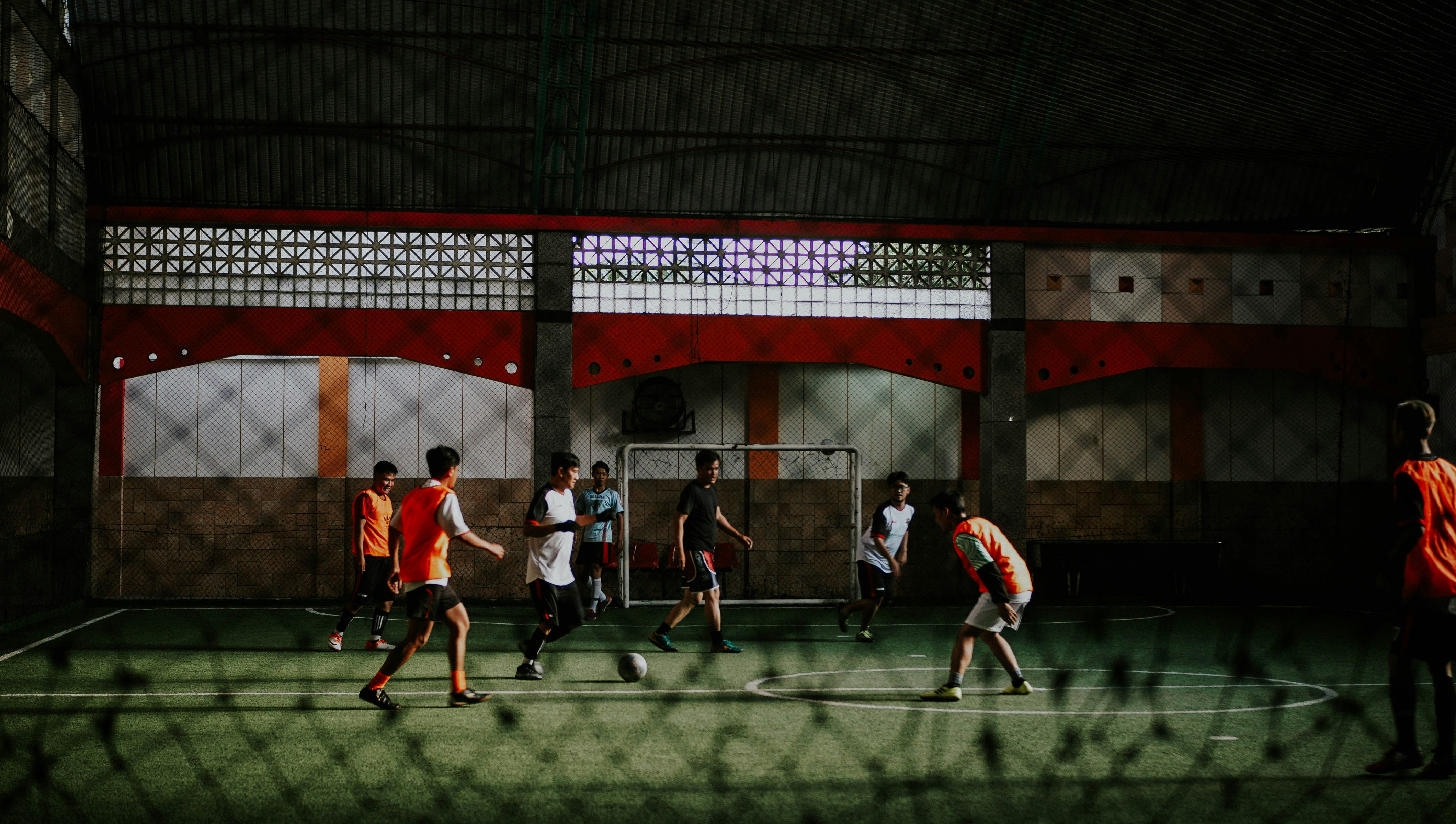
Four circuits into the 2026 Malaysia Premier Futsal League season, the shape of the competition is becoming clear. Selangor sit two points clear at the top with a perfect record. Pahang Rangers and JDT occupy the positions behind them. Below that, KL City, ATM, Terengganu, PFA Odin, USM and Wipers are fighting over the scraps. The gap between the top three and the rest is not merely a points gap. It is a structural one, built over several seasons of investment, recruitment and coaching continuity. Closing it will require more than a good circuit weekend. It will require a plan.
The most obvious difference between the top three and the clubs below them is the quality of their Brazilian imports. Marlon, Evandro Borges, Felipe De Souza, Rodrigo Da Silva, Bruno Taffy, Andresito and Alcantara are not simply talented players. They are experienced professionals who have played at a high level in Brazil or elsewhere in Asia before arriving in Malaysia, and who understand how to perform under pressure across a double-header weekend.
The MPFL's foreign player regulations allow each club two imports. The clubs currently outside the top three have, in most cases, either not recruited at that level or have recruited players whose quality does not match what the big three have found. Getting that recruitment right is the single biggest lever any smaller club can pull.
But recruitment alone is not the answer, and the history of the MPFL offers a cautionary note. Clubs that have signed expensive imports and expected results to follow have frequently been disappointed. The foreign player needs to fit the system, understand the coach's requirements and form a functional partnership with the Malaysian core. Pahang Rangers are the clearest example of how to do this correctly. De Souza has been at the club for three seasons, building an understanding with the domestic players around him that could not have been replicated by bringing in a different Brazilian every year. Continuity of the import is as important as the quality of the import.
The Malaysian core is, in fact, where the real battle for the smaller clubs will be won or lost. Selangor have Syahir Iqbal Khan. Pahang have Akmarulnizam Idris and Harith Na'im. JDT have Awalludin Mat Nawi and Mahadir Harahap, players who can contribute goals and defensive structure in equal measure. The clubs below them, with some exceptions, lack that depth of quality Malaysian players. ATM's Muhammad Bukhari has been one of the revelations of the 2026 season with nine goals and three MVP awards, and he is proof that the talent exists outside Shah Alam and Pasir Gudang. Finding and developing more players of that quality, or recruiting them from clubs in the lower divisions, is the foundation on which any realistic challenge to the top three must be built.
Tactically, the smaller clubs have tended to approach matches against the top three as damage-limitation exercises. That instinct is understandable but counterproductive. The carnival format, with its double-header weekends and compressed circuits, actually creates opportunities that a traditional home-and-away season would not. A side that arrives physically fresh, tactically organised and mentally prepared to press high from the first minute can cause problems even for Selangor in the opening ten minutes of a match. The difficulty comes in sustaining that intensity for a full forty minutes, and then repeating it the following day. Fitness levels and squad depth, both areas where the top three have significant advantages, become decisive as the weekend progresses.
There is also a cultural dimension to this that is easy to overlook. The big three clubs have developed a winning mentality across multiple seasons of competing for titles and representing Malaysia in regional competitions. Their players know what it feels like to be expected to win. The smaller clubs, particularly the newcomers Wipers and USM, are still learning what that pressure feels like. USM's 8-0 win over Wipers in Circuit 4, their first win of the season after seven matches, was not simply a result. It was the moment a team discovered they could handle the demands of professional futsal at this level. That discovery takes time. The clubs that stay in the competition, absorb the lessons and build across two or three seasons are far more likely to close the gap than those looking for a shortcut.
The MPFL 2026 season has five circuits remaining. A challenge to the top three for the title this season is, realistically, beyond the current resources of the clubs in the lower half. But the clubs that use the second half of this season well, to develop their young players, to identify the right imports for 2027, to build a coaching structure with some continuity, will be far better placed to compete when the next campaign begins. The gap is real. It is also, for the clubs willing to approach the problem seriously, entirely closeable.