The Circuit Model: Why Centralised Weekends Suit the MPFL
By gathering its matches into centralised weekends at rotating host venues, the MPFL has given the 2026 season a rhythm and a sense of occasion that the league should embrace.

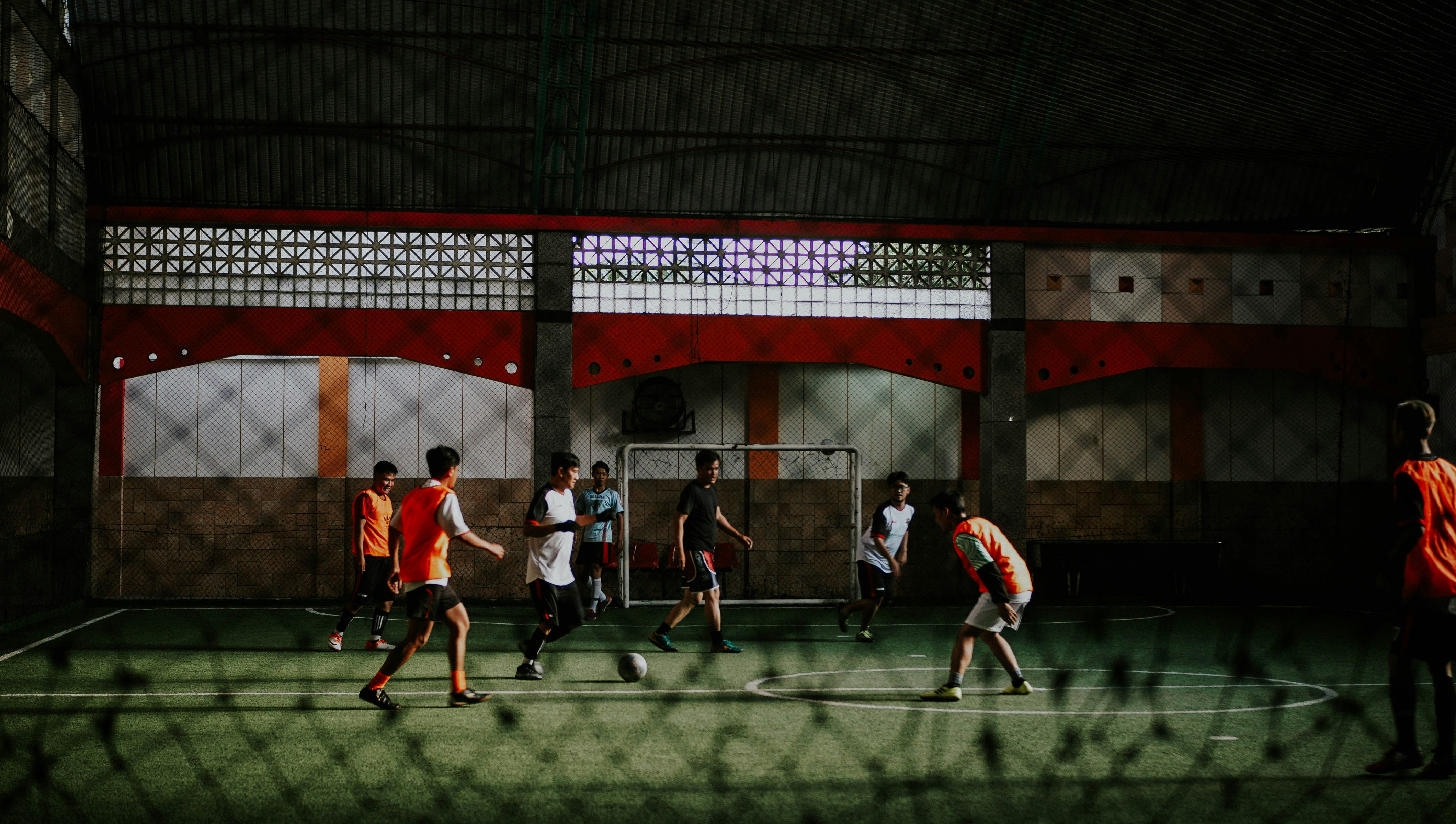
One of the quieter innovations of the 2026 Malaysia Premier Futsal League may prove one of its smartest. By gathering its matches into centralised circuits, weekends of fixtures staged at a single rotating host venue, the league has given the season a rhythm and a sense of occasion that suits the sport well.
The structure is simple. Rather than scatter games across the country on different nights, the MPFL brings its clubs together for concentrated weekends, with Johor, Selangor and Pahang taking turns to host. The opening circuits were staged in Johor, at Stadium MBPG in Pasir Gudang, the home of the back to back champions, while Selangor's KOMBES arena in Shah Alam and Stadium SUKPA in Kuantan share later rounds.
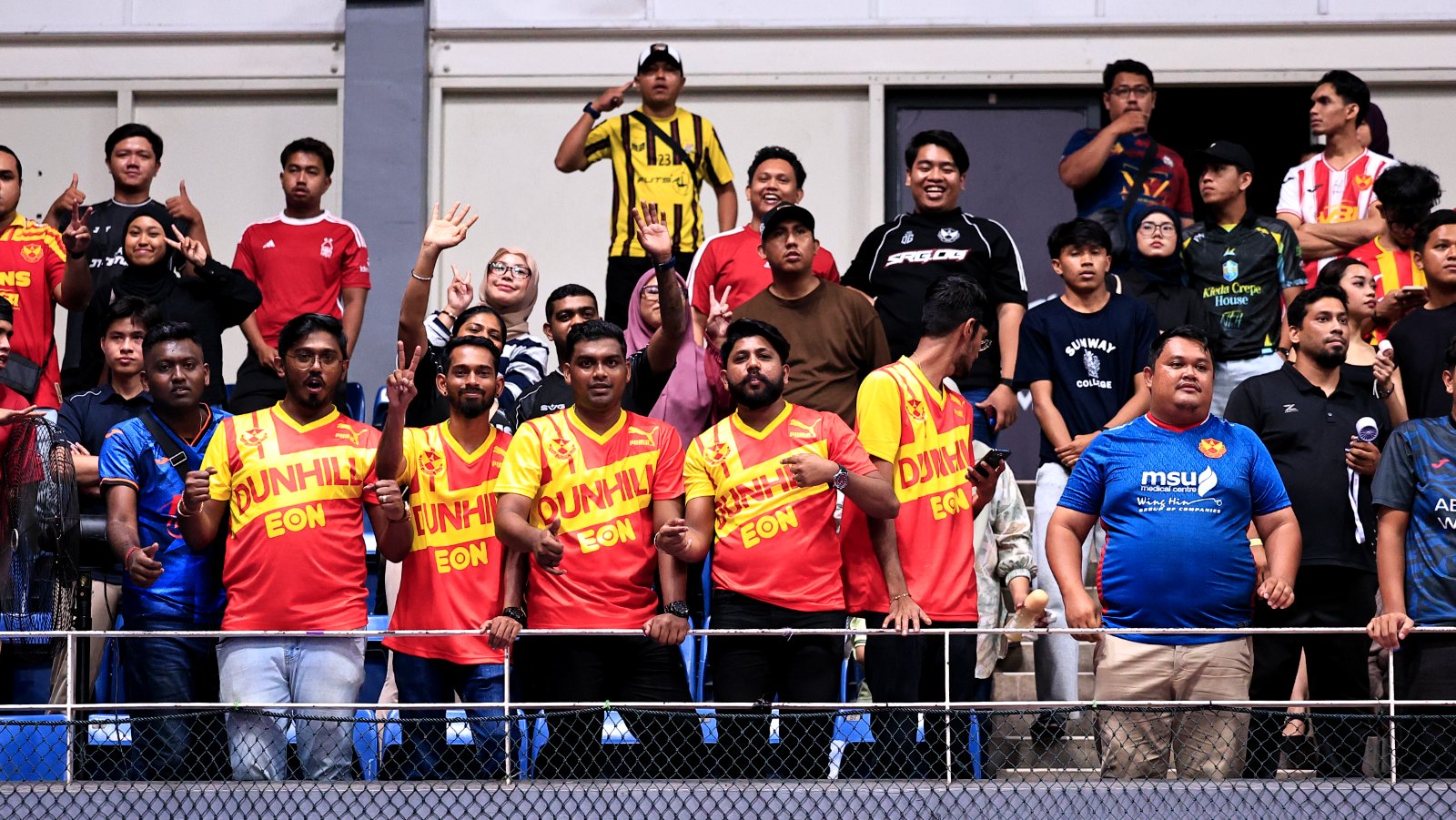
For supporters, this is a gift. A circuit weekend is not a single match but a festival of futsal, several fixtures across two days in one venue, the chance to watch the whole division in a single trip. That concentration of action builds an atmosphere that scattered midweek games struggle to match, and it gives every host city a genuine event to rally around.
It helps the clubs too. Travel and logistics are simplified when an entire round happens in one place, and players spend less time on the road and more time focused on performance. For a league still building its commercial base, a packed venue staging multiple matches is a far more attractive proposition to broadcasters and sponsors than a thinly spread schedule.
There is a developmental dividend as well. Rotating the host venues takes top-flight futsal to different states, putting the league's best players in front of new audiences and inspiring the next generation in each region. A young supporter in Kuantan or Shah Alam who watches a World Cup winner in the flesh is exactly the kind of fan the sport needs to grow.
The model also sharpens the competition. Playing two matches in a weekend tests squad depth, fitness and management in a way that single fixtures do not, rewarding the best-prepared teams and adding a layer of strategy to how coaches rotate their players. The circuit that follows the league stage carries that intensity into the decisive weeks.
It is worth remembering, too, that the circuit naturally builds towards a climax. Concentrating the league stage into host weekends sets up the knockout rounds that follow, where the semi-finals and final are played over two legs and the season reaches its peak. The format gives the early matches a festival feel and saves the rawest tension for the end, a balance that serves both the casual fan and the committed supporter.
Other leagues across the region will be watching. Futsal in Southeast Asia is growing quickly, and a competition that finds a distinctive way to present itself, rather than copying the conventions of eleven-a-side football, gives itself an identity worth exporting. The circuit weekend is the kind of idea that can become associated with the MPFL specifically, and that is valuable in a crowded sporting calendar.
No format is perfect, and the league will keep refining the details. But the central idea is sound. The circuit model gives the MPFL identity, occasion and reach, three things a developing competition should value highly. On the evidence of the opening weekends, it is an idea worth keeping.