Jerry Dinesh, Part One: assessing KL City’s season so far
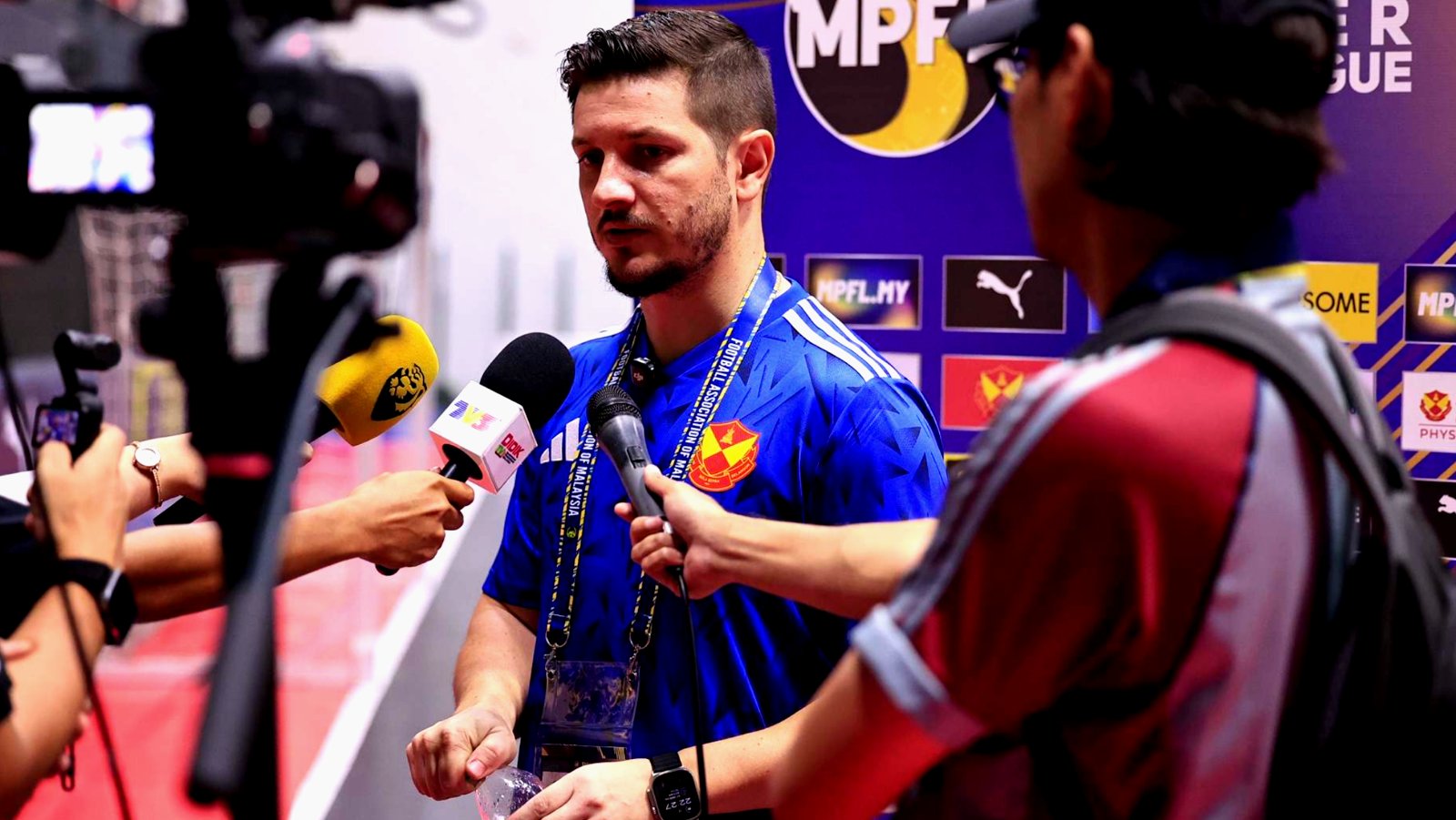
In the first of a three-part interview, KL City head coach Jerry Dinesh reflects on a difficult opening to the MPFL 2026 season, the club's squad depth, and the progress of his foreign signings and homegrown players.
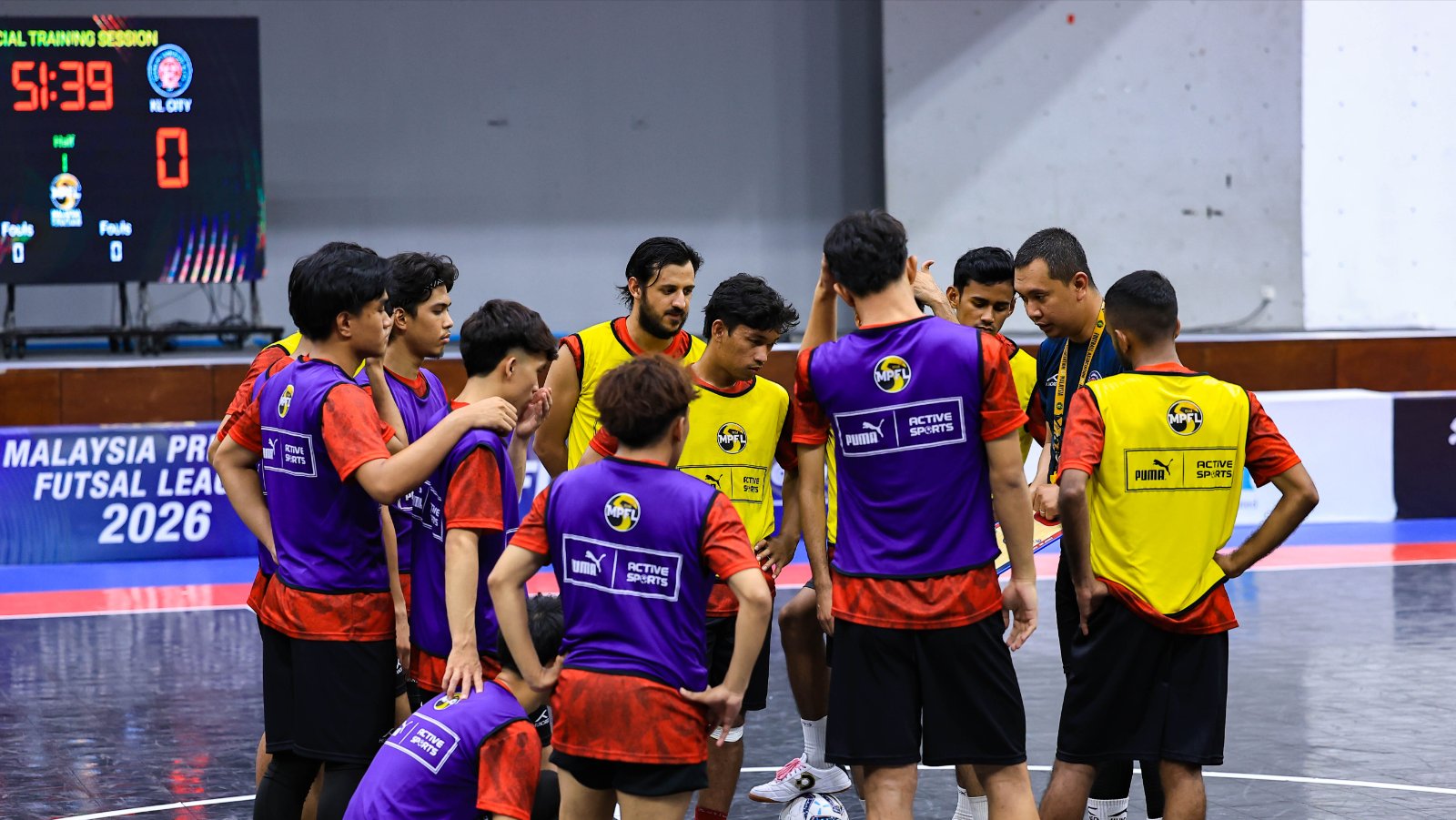
In the first of a three-part interview, KL City head coach Jerry Dinesh reflects on a difficult opening to the MPFL 2026 season, the club's squad depth, and the progress of his foreign signings and homegrown players.
Four circuits in, how do you rate the campaign so far from KL City’s perspective?
It's been a difficult start, if I'm honest. We've had a high turnover of players from last season and we're missing around five senior players, one of whom has only just returned to the side over the last two games. It shows in the results: we lack depth, we're leaning on a lot of young players, and we haven't had full control of matches the way I'd like.
We took a beating against two of the strongest sides in the league, Pahang and JDT, and rightly so, they've got real quality throughout their squads. But in moments, even in those games, we showed some class and resilience. The bigger concern for me is the four points we've dropped that we shouldn't have: a draw in our opening match, always a tough one to manage at ten in the morning, and a defeat against ATM where we had the game won and lost it through a lack of game management rather than quality.
So am I happy with 11 points? No. Am I unhappy? Also no. For a team that's effectively using this season as its preseason, having not trained together beforehand, it's a reasonable platform. If we make the playoffs and keep improving as we go, I'll take that.
You were missing Lucas Araujo last time out, but Daniel Almeida had arguably his two best games. How pleased are you with how they’ve settled?
This year, the issue with settling our two overseas signings has really been about timing. There was a lot of uncertainty over when the league would start, which made it difficult for the club to plan commercially and bring the foreign players in early enough.
Daniel was with us last season, so he already knows what I want, what the team needs, and how we play. He's an excellent, special player, someone who brings calm in difficult moments and creates the kind of moments that turn into goals.
Araujo is a different kind of investment. For a smaller club like KL City, with the budget we have, we've had to look at a younger player rather than an established name; he's only 23. Players like that need time to adapt, particularly coming from a much higher-intensity level in Brazil's fourth division. I think he's settling in fine and adapting well. His progress has been decent and we're on the right path, even if it's a different process to bringing in someone who can perform from day one.
What has pleased you most about your local players? Dinesh Kumar has been good, but who else has stood out?
Dinesh has played a huge part in our progress over the last four circuits. His output on the court, the minutes he's covering and the contributions he's making, has been outstanding, and I'm really pleased with the maturity he's shown. He's been at this club since he was sixteen, and he's now starting to show the leadership qualities we need from him.
Dodie has been with us two years and is also reaching a genuinely elite level. That's often how it goes with young players coming through our system: there are moments where they doubt themselves, and then something clicks and they embrace the challenge in front of them.
It's the same story with Shahid Ajit, our pivot, who scored what I thought was the goal of the circuit against USM. He's always had talent, and we've had him with us three or four years now since he was younger. He's growing into the player we always believed he could be.
Beyond that group, this year's other local players are younger and newer to the club, so we're leaning heavily on our senior players while we give the newcomers the game time and the room to make the mistakes they need to make. Building real competition for places isn't a one-season job; sometimes it's a ten-season job. But we're getting there.
Circuit 5 pairs a 100% Selangor with a one-win PFA Odin. How hard is it to prepare for two very different opponents back to back?
We're learning as we go. Before the league turned professional in 2019, the circuits actually looked something like this; we had that format back in 2016 and 2017 when we first qualified, so there's some experience to draw on. But since 2019, we've played in a home-and-away format, one game a week at most, and that gives you time to prepare in real detail: how to defend a team's set pieces, how to attack theirs, what their positional shape looks like, who their key players are and how to shut them down. We go through that in video sessions in real depth. With two games a week, we lose the ability to prepare that thoroughly for each one.
I don't love saying this, because every opponent deserves respect and we've dropped points against a wide range of teams in the first four circuits, but you sometimes have no choice but to prioritise preparation for the stronger side and hope it covers you against the weaker one. We're fortunate the schedule hasn't paired us against the top three back-to-back; if it had, I think we'd have gone home demoralised. As it is, we still give attention to set pieces and general shape for both games, but it isn't easy.
It's not just tactical either. Saturday and Sunday put very different demands on the body. On Saturday you're working off a high-intensity energy system and can ask a lot of the players. On Sunday, with that fatigue still in the legs, you're relying much more on the aerobic system, and asking for an extra push of intensity isn't as straightforward. So we manage the two days differently, and we've had to build that into our strength and conditioning programme. Regardless of results, we've been pleased with where the team is physically. It's difficult to prepare for technically, but we're managing. We always prioritise the bigger games first.
You have fourteen players but start five, and can change any time. What is your thinking behind the starting five?
There are different ways to approach picking a starting five. Some coaches base it entirely on the opponent's starting five: if they judge the opposition to be the stronger side, they'll pick their best five on the assumption the opponent will try to match that intensity from the first minute. Every game starts level, but mentally there's often an advantage to certain teams, especially those with strong foreign players, and for a lot of this season that's the approach we've taken.
Over the last two games, though, we've settled clearly on who our best seven are, and we now rotate around that group based on position, situation and which foot a player favours. There's a detail in futsal that isn't obvious to anyone watching casually: if you don't have enough left-footed players on the court, the balance of the team is thrown off in ways you might not notice directly, but you'll see it in repeated errors and lost possession in certain areas of the court.
We also always play with a fixo, because if the opposition has a standout player, someone like Selangor's or JDT's key men, we need a player assigned specifically to deal with them. So it really does change game by game. If we believe we're the stronger side on paper, we'll go with our best five outright. Against tougher opponents, we'll sometimes shape the team specifically to nullify their best player.