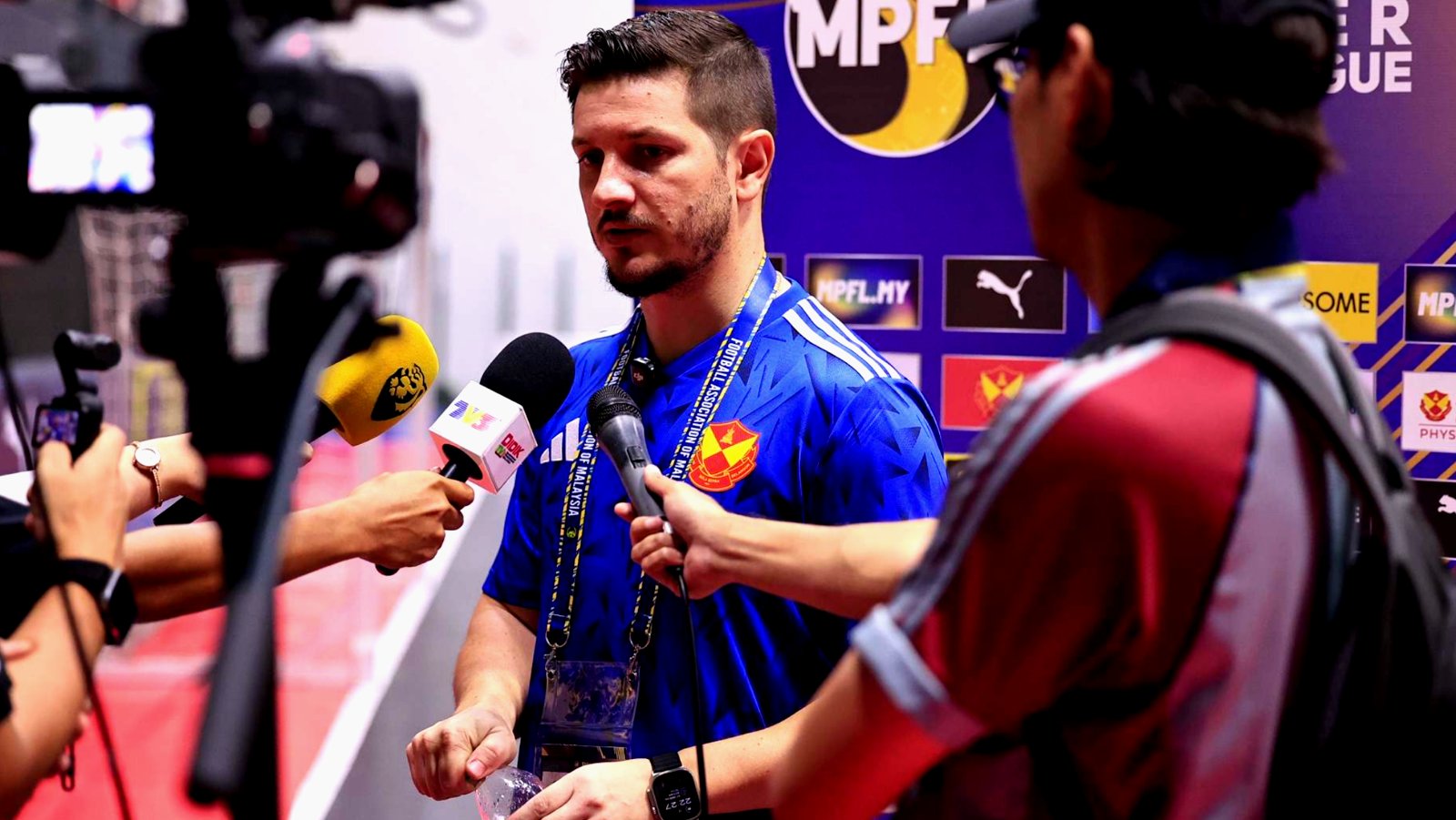
The Carnival Format: how two games in two days is reshaping squad management in the MPFL
The MPFL's move to a centralised double-header format was meant to cut travel and costs. Its unintended consequence has become the defining tactical problem of the season: squad depth.
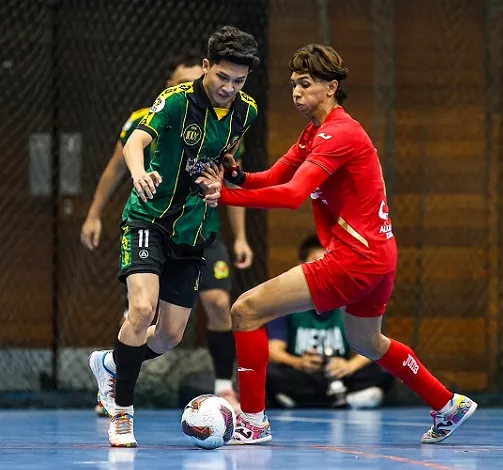
For the first time in its history, the Malaysia Premier Futsal League is not asking clubs to travel. It is asking them to arrive, play twice, and go home. The 2026 season did away with the old home-and-away structure entirely, merging Division 1 and Division 2 into a single nine-team competition and moving every fixture to a centralised carnival format, staged across nine circuits at three venues: Pasir Gudang, Shah Alam and Kuantan. The most significant change sits inside that structure rather than around it. Each circuit is a double-header weekend, meaning every side plays two matches inside 48 hours before packing up and waiting for the next one.
It sounds like a scheduling quirk. In practice, it has become the defining tactical problem of the season.
A single MPFL club can register only two imported players, and those two are typically the players a coach can least afford to rest. Under the old calendar, a heavy workload was spread across weeks. Under the carnival system, it is compressed into a single weekend, and a coach who leans too hard on his marquee man on Saturday risks watching him running on empty by Sunday. The clubs that have started strongly this season are, not coincidentally, the ones who have treated the weekend as a single 80-minute problem rather than two separate 40-minute ones: rotating fixos through the back-to-back minutes, protecting a goalkeeper's second appearance, and using the four-second restart law to manage tempo rather than always chase it.
Selangor's form is instructive. Their unbeaten start, built on stopping opponents rather than simply outscoring them, has come from a squad deep enough to field something close to two starting fives across a weekend without a visible drop in quality. Contrast that with newly promoted sides such as USM and Wipers, both still building the squad depth that a double-header format demands, and both understandably slower out of the blocks. USM's first win and first clean sheet of the season, against bottom side Wipers, arrived only once fatigue had evened itself out across the division rather than in the opening weeks when fresher, deeper squads had the clear advantage.
There is a defensive dimension too. A side that concedes heavily on the Saturday now has less than a day to fix it before facing another opponent, with no midweek training window to work the problem out on the training pitch. Coaches have instead had to solve problems in the changing room, between matches, in real time. It has put a premium on players comfortable being told something once and applying it an hour later, and on captains capable of managing a dressing room through two separate emotional arcs in the same weekend.
None of this was quite what the carnival format was built for. FAM's stated aim was logistical: cut travel costs, centralise scheduling, and bring fans to fewer, bigger event weekends rather than scattering fixtures across the calendar. But the unintended consequence has been tactical. Squad depth, previously a nice-to-have for the bigger clubs, is now close to a prerequisite for anyone hoping to be competitive across a full season. As the league moves into its knockout phase, where the top two automatically qualify for the semi-finals, the sides who have solved the double-header puzzle earliest look best placed to still be playing come October.