The Foreign Coaches Bring a New-Found Flair to the MPFL
Brazil, Spain and Portugal, the philosophies shaping every coach in the MPFL.
Strip away the nine badges and the carnival format, and the Malaysia Premier Futsal League 2026 season has quietly become a contest between two coaching traditions.
On one side sat the Brazilian school, built on flair, individual brilliance and attacking freedom. On the other sat the Spanish and wider Iberian approach, rooted in structure, positional discipline and the analytical eye of the former goalkeeper. Between them, the two traditions have shaped almost every dugout in the league.
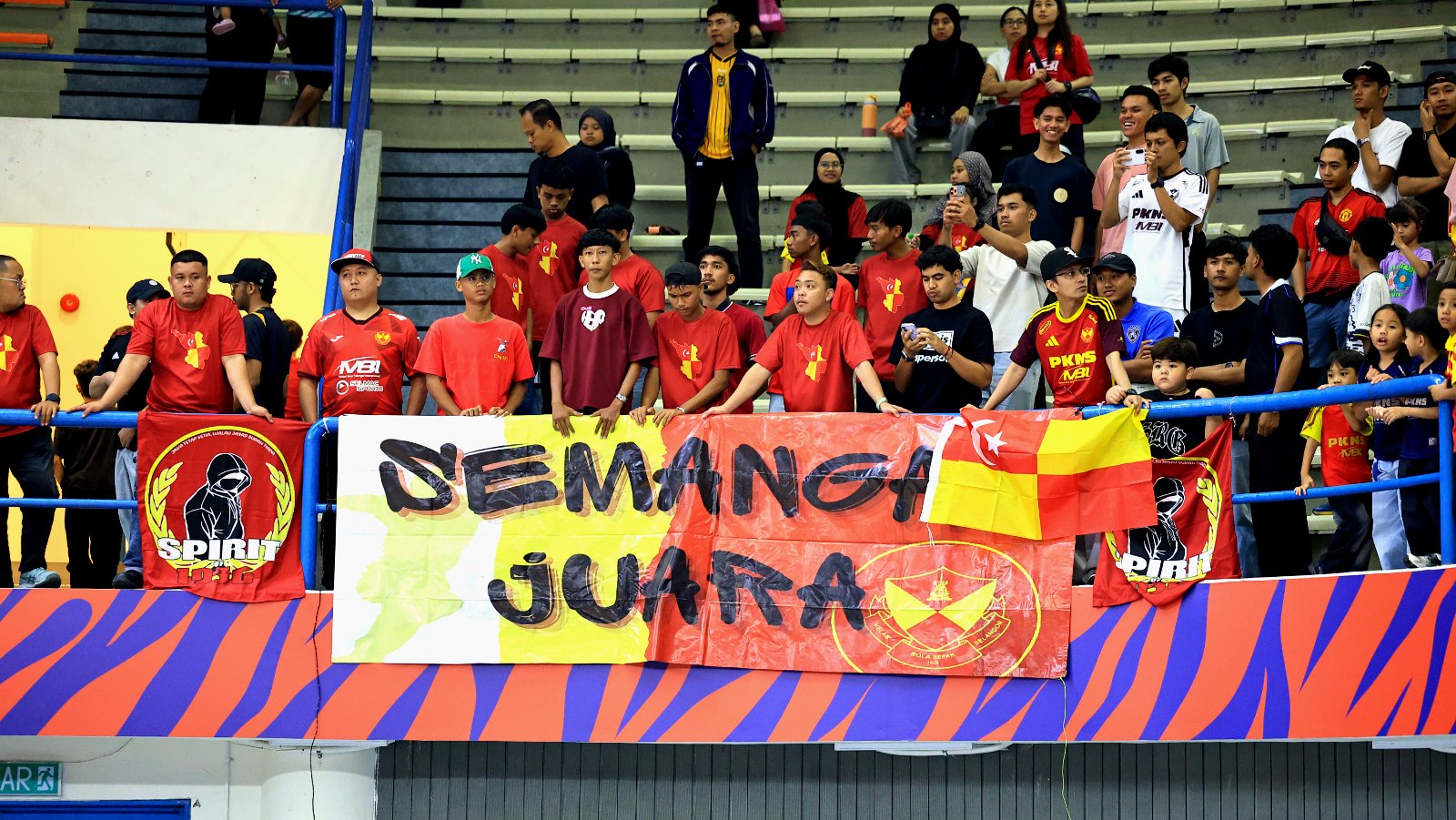
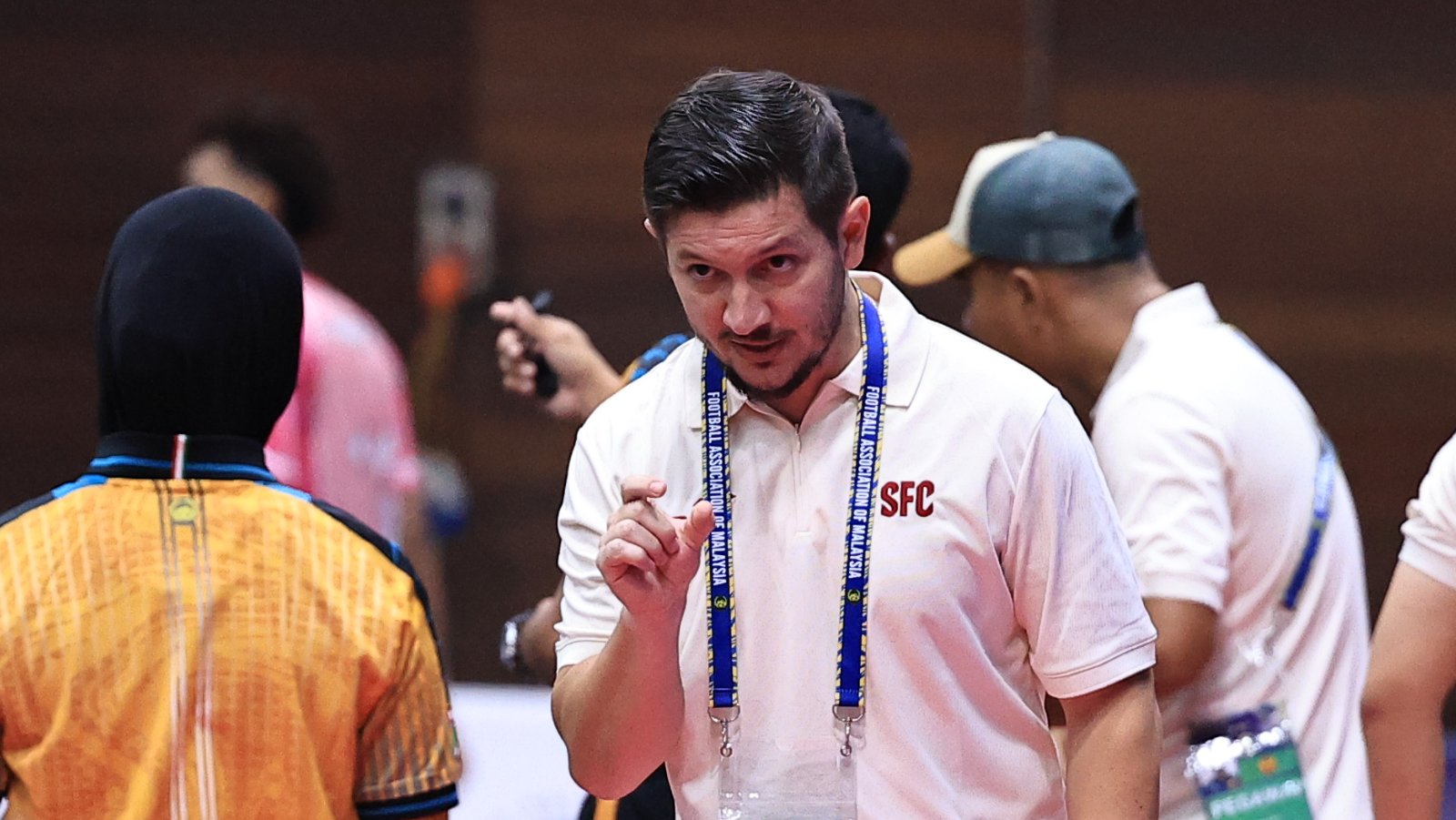
Selangor's Edgar Baldasso, a Brazilian in charge of the Red Giants since well before this season, offered the clearest example of the first school. His side was built around Brazilian star power, most notably World Cup winner Marlon, alongside fellow countryman Evandro Borges, and Baldasso's teams carried the instinctive, expressive quality long associated with Brazilian futsal, backed by a stated belief in developing homegrown talent such as Syahir Iqbal alongside his imports rather than relying on them alone.
Pahang Rangers offered the counterpoint. Eloy Alonso Fraile, appointed ahead of the 2026 season, brought a background as a goalkeeper in the Spanish Futsal League and years on Thailand's national coaching staff, and his methodology leaned on continuity, tactical discipline and incremental improvement rather than reinvention.
Yet even Alonso's Spanish project depended on Brazilian quality to execute it, with Felipe De Souza and Rodrigo Da Silva doing much of the scoring, a reminder that the two traditions were never as cleanly separated on the pitch as they were on the touchline.
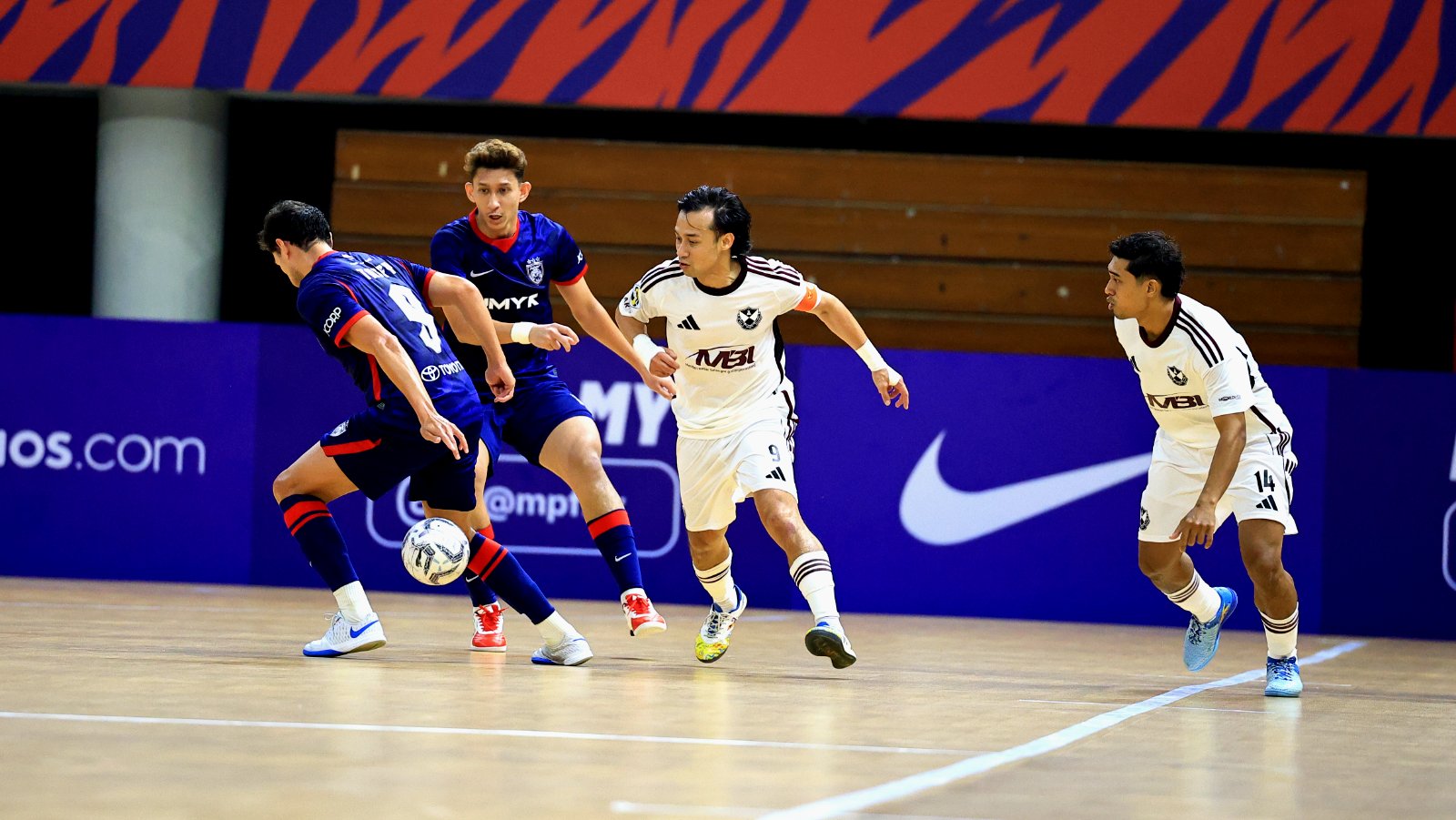
JDT's project told a similar story from the other direction. The club's futsal department was built in 2023 around the appointment of Juan Antonio Miguel Garcia, a Spaniard and former Real Betis head coach, whose arrival signalled the club's intent to import elite European structure alongside its ambitions.
By 2026, the dugout had passed to João Almeida, a Portuguese coach and author on futsal methodology with previous experience leading Bahrain's national side, whose academic, data-driven approach sat comfortably within the same broader Iberian tradition even if the passport differed. On the pitch, Spanish international Andresito arrived from Nagoya Oceans to further tilt the squad's identity toward that European influence, even as Brazilian-style attacking talent remained essential to the team's output.
What emerged across the season's early circuits was less a rivalry between two nations than a blend the league's better sides learned to manage: Brazilian improvisation supplying the moments of individual quality, Iberian structure supplying the platform for those moments to matter. Selangor's 100 per cent start and Pahang Rangers' battle to stay within touching distance came to represent that tension most directly, with Baldasso's expressive approach still holding the upper hand over Alonso's more measured project as the season moved into its later circuits.
Whichever school ultimately wins the MPFL 2026 title, it will do so having borrowed, at some point, from the other.