2003 and the ghost of the KL World Five
Thirteen years ago Kuala Lumpur hosted the World Five, a tournament that was never repeated
Malaysian futsal has been here before, or something close to it. In June 2003, Kuala Lumpur played host to the KL World Five, an international tournament that brought Brazil, Argentina and Uruguay to town alongside Japan, Thailand and the Malaysian national side, staged with the backing of the Ministry of Youth and Sports and broadcast through a partnership with ESPN Star Sports. For a week, futsal in Malaysia looked like a sport with real momentum behind it, and Malaysia's own team gave the home crowd something to remember, beating South Africa in the semi-final of the secondary Bowl competition before edging Indonesia 5-4 in extra time in the final. The decisive goal in that final belonged to Addie Azwan Zainal, a name that still means something in the sport today: he now sits as head coach of the senior national team.
What followed that week, though, is the part of the story worth remembering as the MPFL enjoys its own moment in 2026. The KL World Five was never repeated. It stands in the record books as a one-off, a single spectacular week of broadcast partnership, star power and genuine crowd interest that generated no sustained follow-through once the tournament ended and the cameras left. Malaysian futsal spent much of the two decades since drifting in and out of visibility, through an on-off relationship with terrestrial broadcast, a national team that has cycled through short-term coaching appointments, and a professional league, the MPFL, that only came into being in 2019 and has itself had an uneven relationship with television coverage ever since.
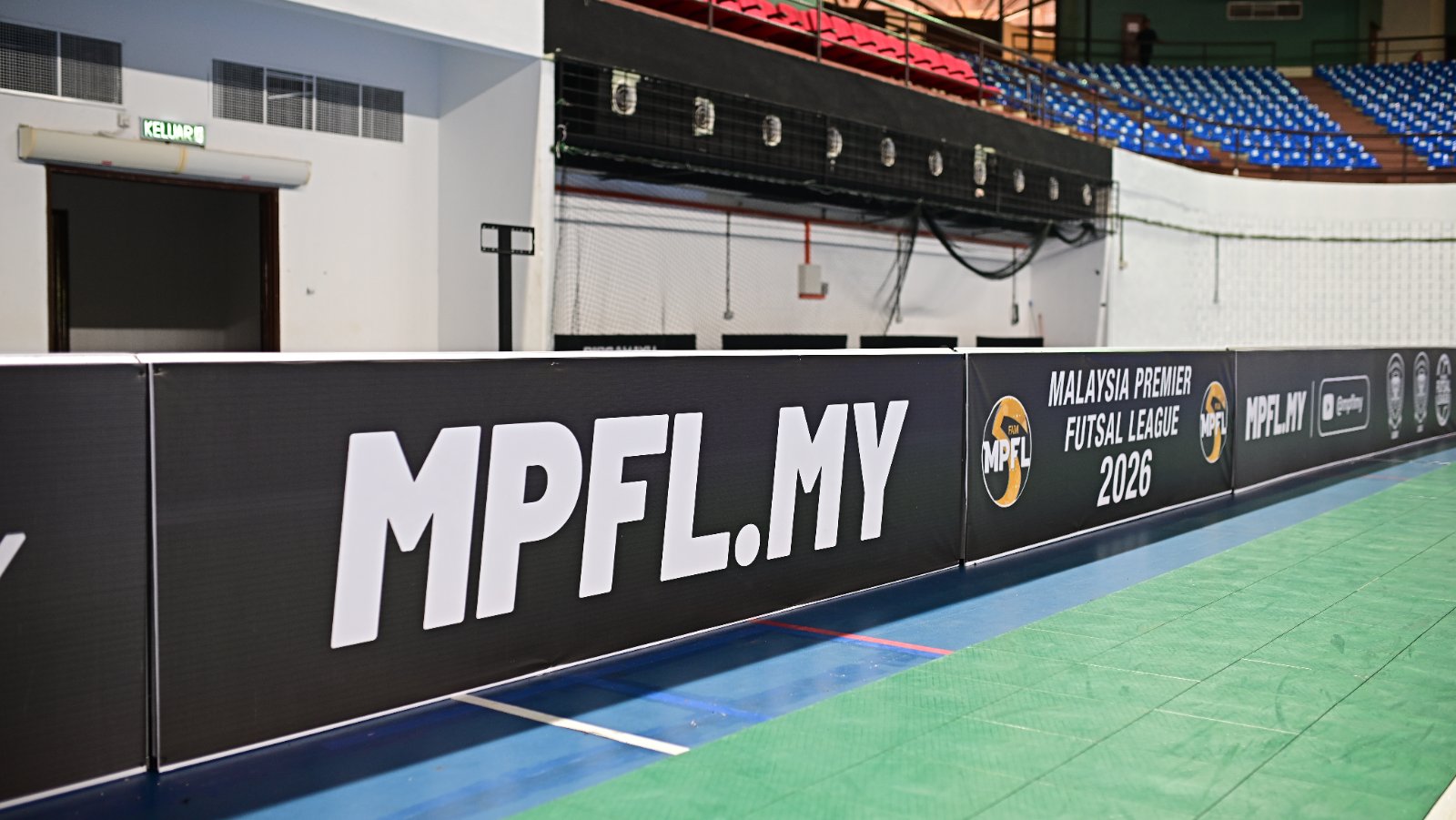
The comparison with this season is instructive precisely because of what is different rather than what is the same. Where 2003 was a single week built around visiting national teams, 2026 is a full season of MPFL fixtures, carried live and in full on YouTube through the league's own channel, built around domestic clubs rather than international guests. Where the growth in 2003 evaporated the moment the tournament finished, this year's broadcast partnership is explicitly designed to survive beyond a single season, part of a wider push, one KL City's own head coach Jerry Dinesh Pireira has spoken about directly, to stop planning the sport one year at a time and build something with genuine continuity underneath it.
Whether that continuity actually holds is still an open question, and one the league's own administrators would be the first to admit remains unresolved. But the ghost of the KL World Five is a useful one to keep in view all the same: Malaysian futsal has had a moment of real attention before, and let it slip through its fingers once the spotlight moved on. The task in 2026 is not simply to generate the same kind of numbers that one remarkable week produced in 2003, but to make sure that, this time, there is still something left to watch once the excitement of a big season has passed.