Interview - jerry dinesh part 2
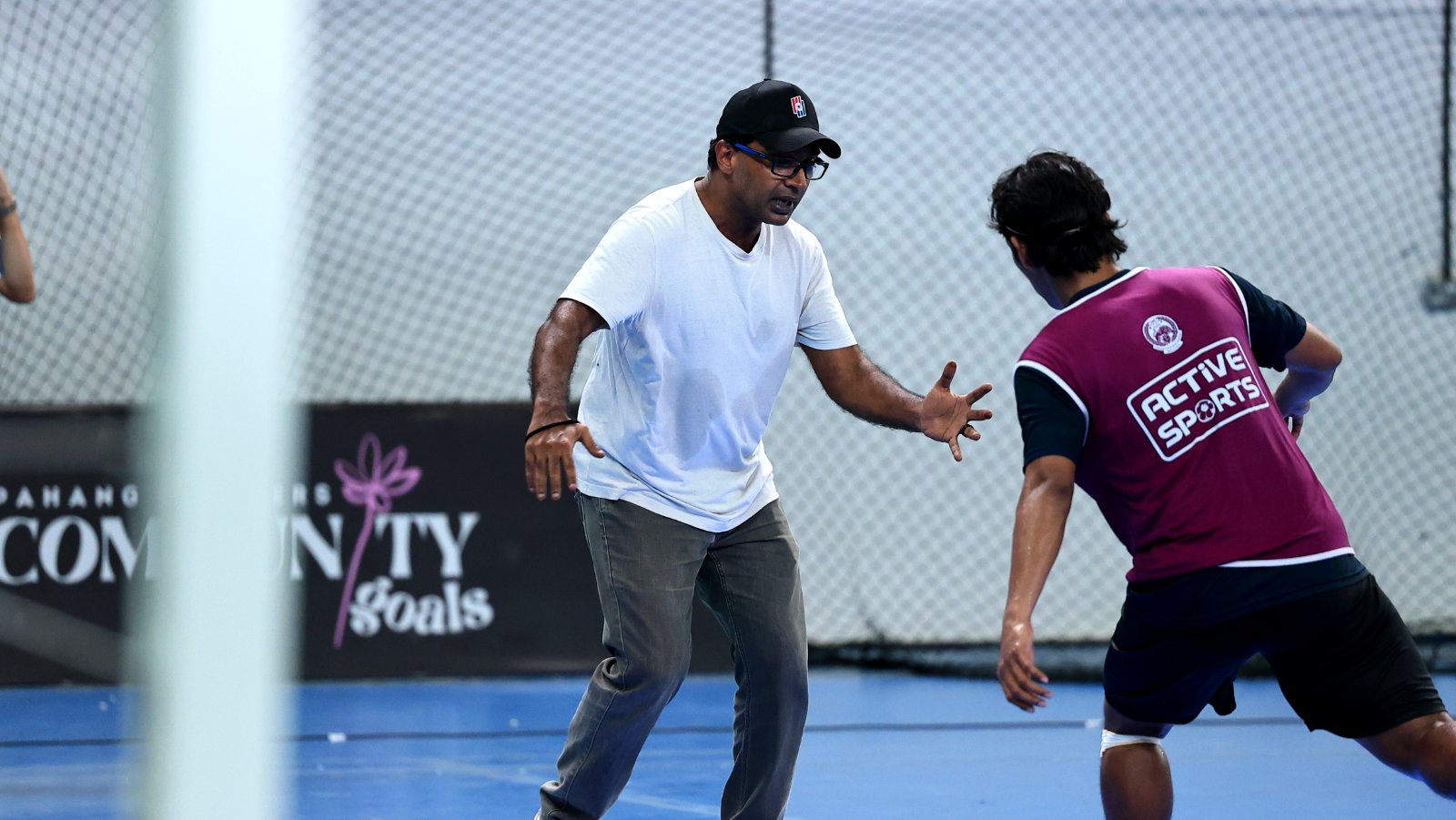
In part two, KL City coach Jerry Dinesh talks broadcast growth, grassroots development, and what more can be done to bring young players and fans into the game.
MPFLTV has put every game live on YouTube this season, with big numbers on social media. How important is that for the growth of futsal in Malaysia?
It's worth sharing a bit of the history here, because I've been part of Malaysian futsal since the early 2000s. The sport was genuinely big in 2003, we had the KL World Five, and the numbers back then came almost entirely through broadcast television. Since the league turned professional in 2019, broadcast coverage has come and gone, sometimes fully, sometimes only in pieces, but we've never had anything like what we have this year.
What we've achieved in 2026 has beaten two decades of Malaysian futsal metrics, and I say that with real confidence because I've monitored that data myself for years. We've connected those numbers to commercial value in a way we haven't managed before, and within thirty days we'd overtaken numbers other indoor sports here have built up over years, sepak takraw, badminton, sports that have had a real head start on us. What our broadcast partner has done with Malaysian futsal has genuinely shifted things. I'm now looking at what Thailand and Indonesia are doing in this space, and I think we're just about ahead of them as we keep improving the product. There's still work to do, but this is where futsal in Malaysia needs to be, and this partnership is taking us there.
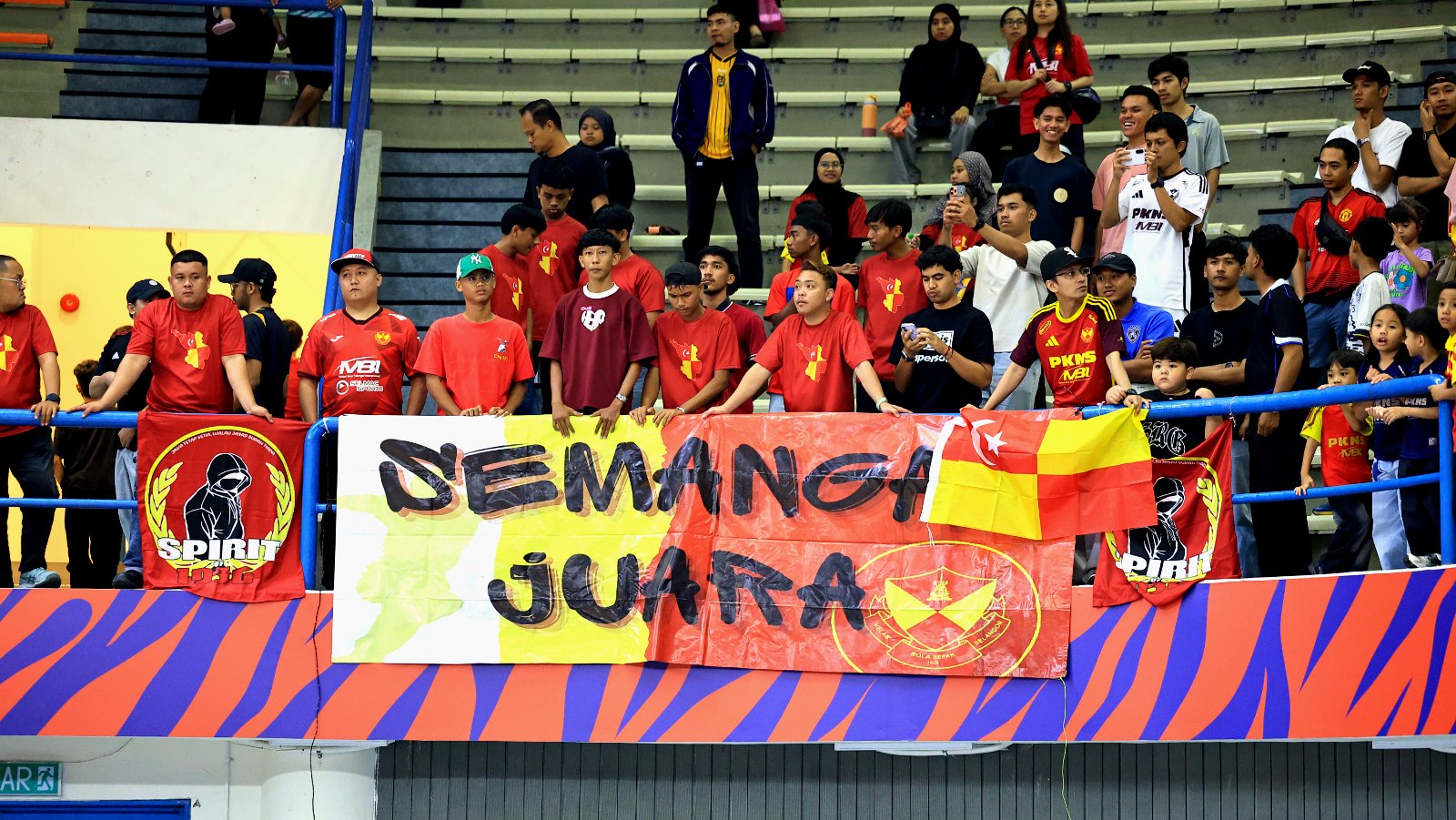
What's needed to get more fans into the venues themselves? Is that still down to awareness, given some people don't even know futsal exists?
I think this follows on from the social media growth, because at least now people are aware futsal exists near them. But with any sport, when you talk about development and getting people to participate and watch, the baseline is always the same: awareness has to start with kids. I mean that in terms of playing, not the commercial side. Our real audience should be seven and eight year olds, and we need to get them hooked on playing the sport, through grassroots work, through professional clubs running youth camps, through getting them genuinely involved.
The trickier group is teenagers and the eighteen-to-thirty-four demographic that traditionally follows futsal. That's been a tough one for the sport worldwide, I think, because the pandemic created a real gap; we lost a generation's worth of involvement during those years, and there's a lot more competing for their attention digitally now. It's a rebuilding job, and I think we'll see the benefit of it in three or four years as more people come back to playing the game.
What we're seeing generally, and not just in futsal, is that people don't watch full matches the way they used to unless they're genuinely playing the sport themselves or watching it analytically. Most people watch highlights, and that's something MPFL has done well; it's what's picked up a lot of the eyeballs we've had this year. So we keep pushing that, and we keep thinking about how we bring the younger generation back in so we don't lose more ground.