Bare Hands and Quick Thinking: The Futsal Goalkeeper's Art
No gloves, a smaller goal and a ball that barely bounces. The futsal goalkeeper is not a shrunken version of his football cousin, but a different player entirely, starting with bare hands.
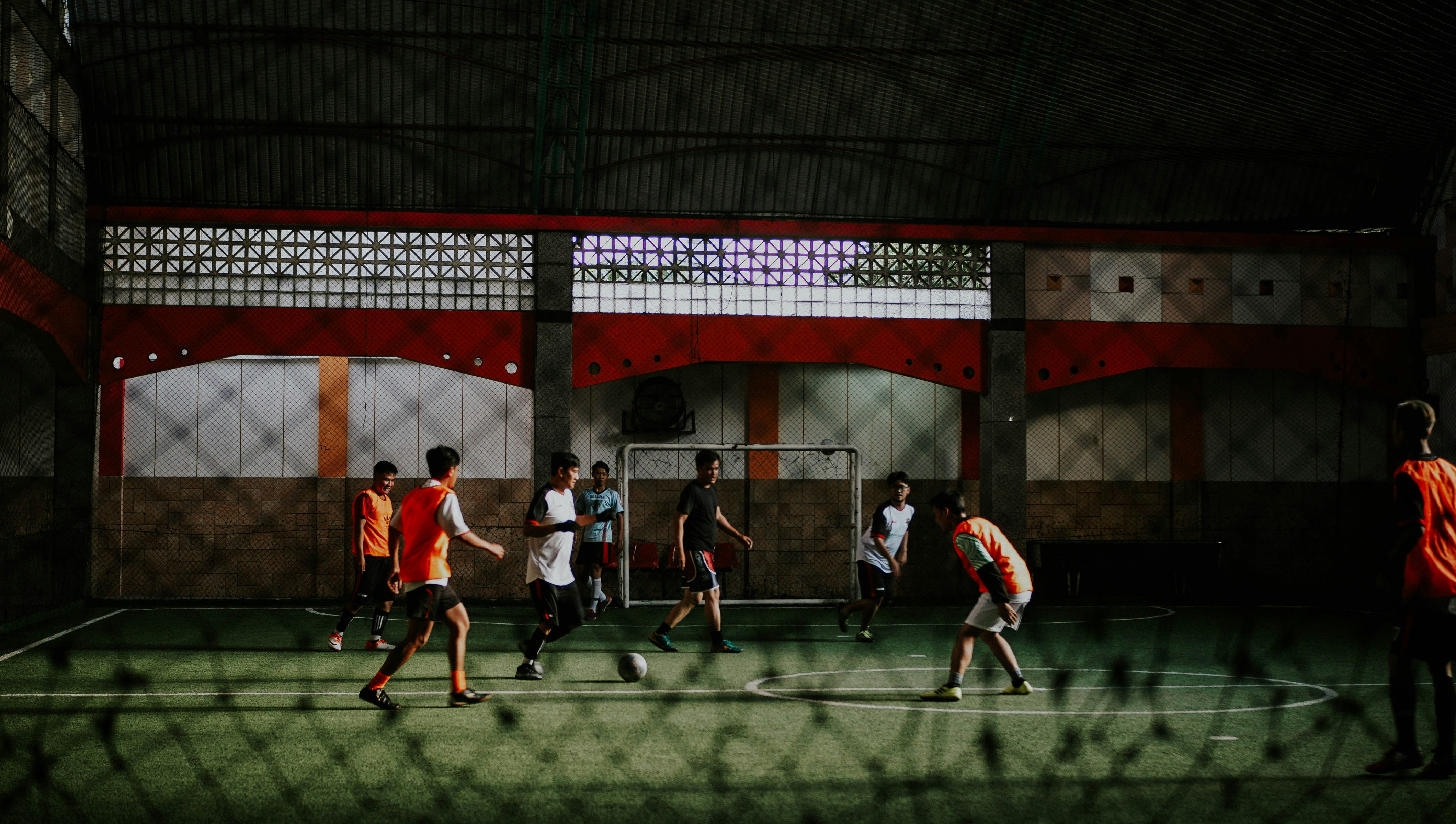
Ask a football fan to picture a goalkeeper and the image is immediately familiar, the towering figure between the posts, padded gloves stretched wide, commanding the penalty area. In futsal, that image needs adjusting. The goal is smaller, the court is tighter, the ball barely bounces, and more often than not, the goalkeeper's hands are entirely bare. The gloves are gone. And there is very good reason for it.
The starting point is the ball itself. A futsal ball is smaller and significantly heavier than a standard football, with a reduced bounce engineered by a foam-filled core rather than pressurised air. That combination makes it far easier to grip and control with bare hands and considerably harder to manage cleanly with the thick latex padding of a goalkeeper glove. Where gloves help a football keeper pull off spectacular catches from 30 metres, the futsal keeper is dealing with close-range shots, sharp angles, and a ball that sits naturally in the palm. The tactile feedback of bare skin is not a luxury in futsal. It is a practical necessity.
That sensitivity becomes most apparent not during saves but during distribution. In futsal, the goalkeeper is essentially the team's first passer, a quarterback, as one international coach described the role to FIFA. Every attack begins with the keeper. Every transition through a press, every build-up under pressure, every quick throw to release a winger on the counter starts at those bare hands.
Spain's Paco Sedano, one of the most decorated futsal goalkeepers of his generation, put it plainly: he simply cannot hold or release the ball as well with gloves on. His Colombian counterpart Carlos Nanez agreed, noting that bare hands make it easier to be accurate when throwing. Both men at the same tournament, same conclusion.
The court dimensions reinforce the argument. On a pitch roughly 40 metres by 20, shots arrive at close range and at pace, leaving little time to set the hands correctly. Many saves are reactive blocks rather than catches, the keeper uses the body, legs and forearms as much as the hands. When the ball does connect with the hand, the aim is usually to parry and redirect rather than clasp and hold. The fine motor control required to do that cleanly is undermined, not enhanced, by padded gloves.
Some goalkeepers, particularly those who came through the outdoor game, do still wear them, habit is a powerful force. But the best in the world, from Higuita of Kazakhstan to the great Spaniards of the European circuit, have long settled the debate with their bare hands.
The futsal goalkeeper is not a diminished version of the football keeper. The role demands an entirely different skill set, distribution, composure, outfield awareness, and an intimacy with the ball that no glove can replicate. Bare hands are not an oversight. They are the point.