The Flying Goalkeeper: Futsal's Most Daring Tactical Weapon
Abandon the goal, create a five-on-four, and gamble everything on the overload. The flying goalkeeper is futsal's boldest play, and the data says it works far less often than you would think.
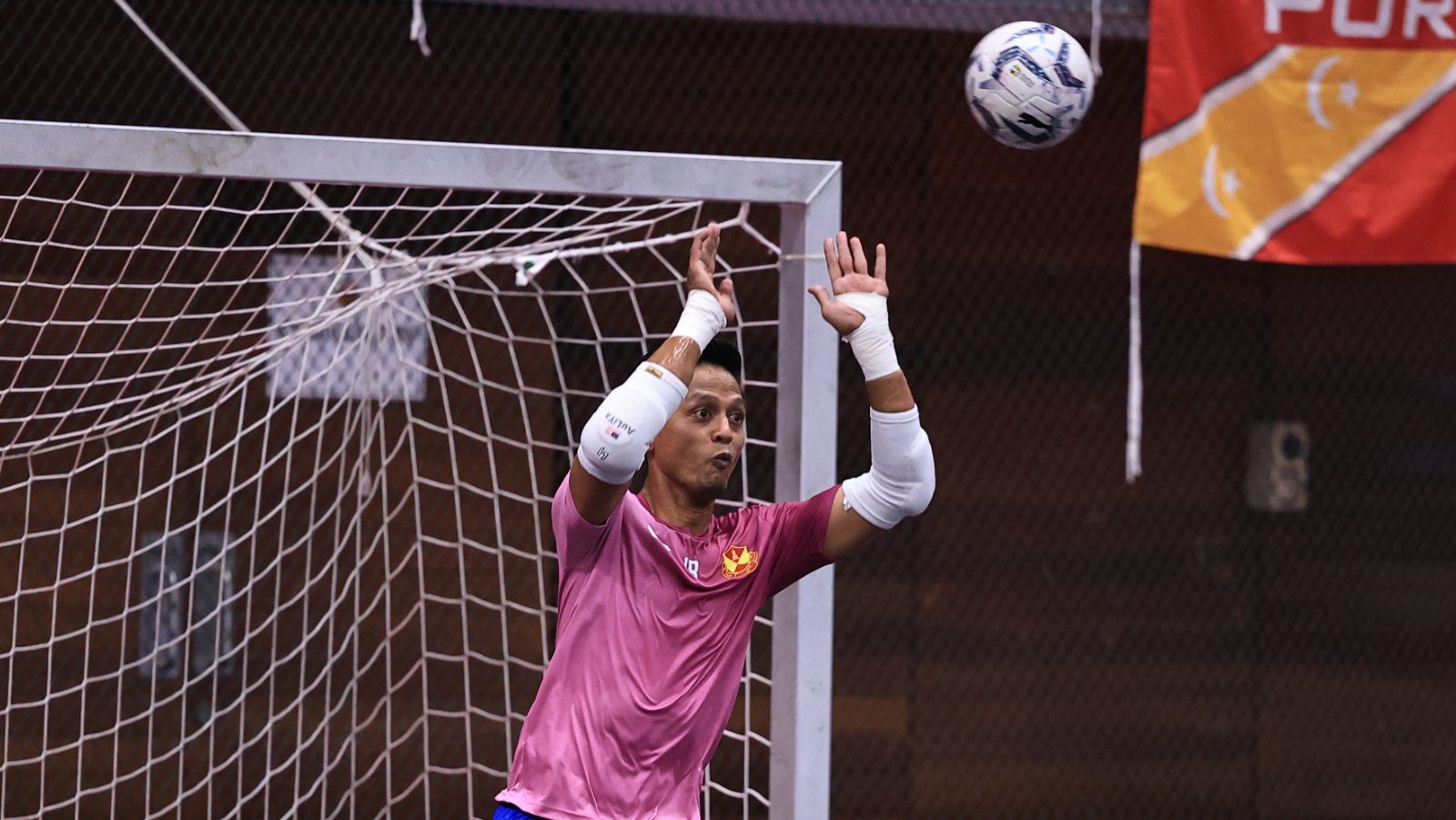
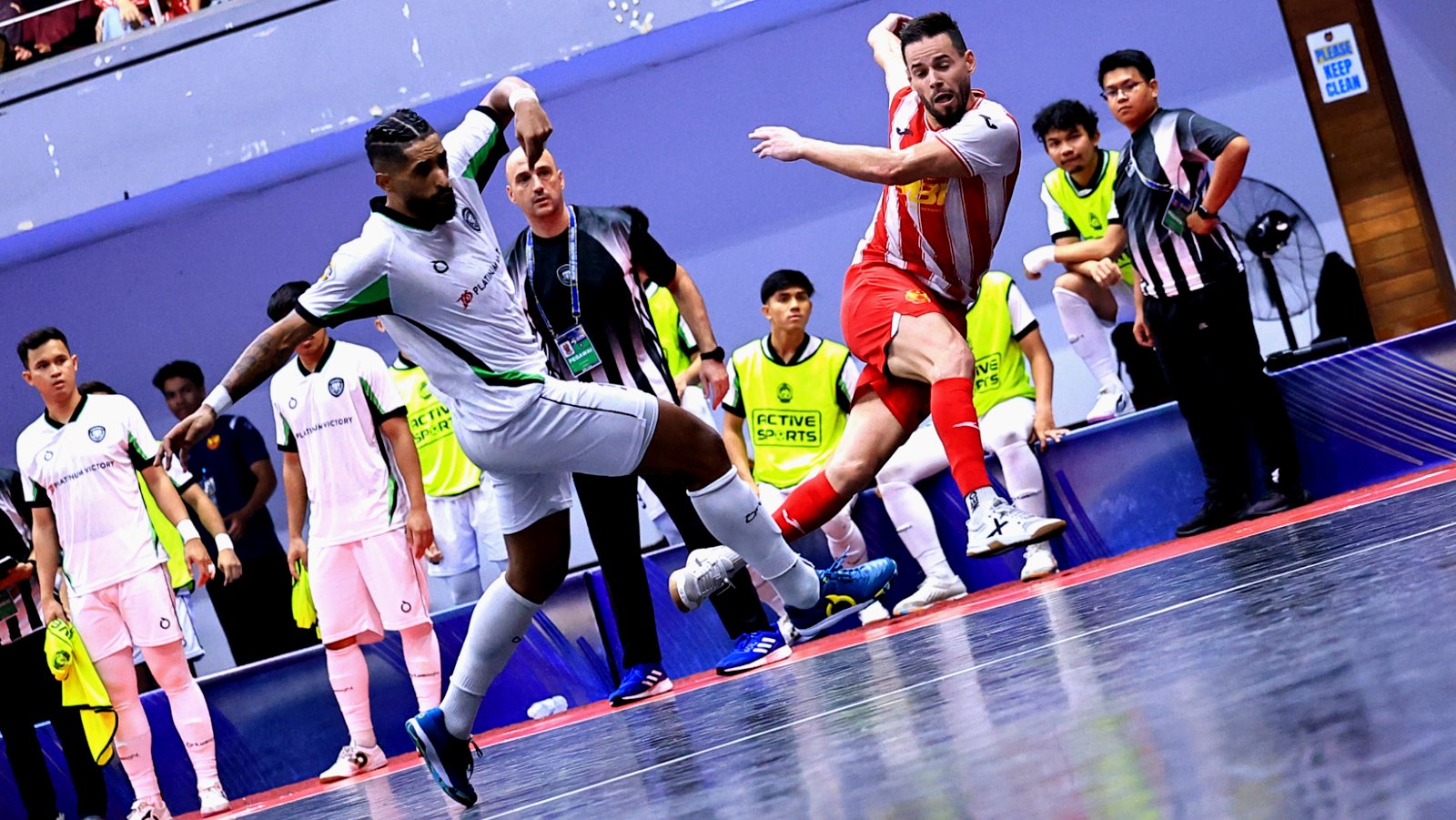
Of all the tactical tools available to a futsal coach, none is more dramatic, or more misunderstood, than the flying goalkeeper. Known in Brazil as the goleiro-linha, or simply the power play, it is the moment a goalkeeper abandons his post, ventures into the opposition half, and becomes an outfield player. The goal stands empty. The risk is absolute. And yet, when executed correctly, it remains one of the most potent attacking strategies the game has to offer.
The principle is straightforward. By pushing the goalkeeper forward, the attacking team creates a 5v4 overload in a sport where space is already at a premium. The aim is to move the ball quickly, cut defensive lines through passes and movement, and open up opportunities through a defensive imbalance. In theory, the maths favour the attacking side. In practice, the picture is considerably more complicated.
FIFA's Technical Study Group has tracked power-play usage across multiple World Cups and the findings are sobering. At one recent tournament, teams scored only 16 goals from a power-play phase, an efficiency ratio of just seven per cent. More troublingly, breakdowns in possession offered the opposition 99 shots resulting in 21 goals on the counter. The data suggests, bluntly, that the defending team may benefit more from facing a power play than the attacking team does from deploying one.
The 2024 FIFA Futsal World Cup final in Tashkent illustrated the point neatly. Argentina, trailing 2-1 to Brazil, attempted 17 power plays. Brazil, comfortable in their low defensive block, required none. The Seleção's efficiency rendered Argentina's numerical gamble redundant.
So when does it work? The TSG concluded that outcomes suffer from a blend of misunderstanding when to deploy the tactic and the technical inability to retain possession leading to a decisive shot. Timing is everything. The play carries most value in the final minutes with a one-goal deficit, not as a prolonged possession strategy. Playing too close to the defensive block reduces space creation, while moving the ball too slowly will not imbalance the defence.
The question of personnel is equally important. Most professional teams designate a specific outfield player to fill the role, dressing him in a goalkeeper jersey for the relevant phases. The ideal candidate combines composure under pressure, accurate short passing, the ability to read defensive shape quickly, and, crucially, a long-range shot capable of testing the goalkeeper. That threat from distance is what forces defenders to close down and creates the space for colleagues closer to goal.
Kazakhstan's Higuita represents the gold standard. His technical proficiency allows him to act as the focal point of his team's attacking play, switching the ball and pinning opposition teams back into their own half. He has since created a legacy that is reshaping how coaches think about the goalkeeper's role at every level of the game.
The flying goalkeeper is not a last resort. It is a calculated weapon, but one that demands the right player, the right moment, and the right execution. Without all three, the empty net tells its own story.