The Rules Football Borrowed From Futsal, and the Ones It Never Will
Some aspects of futsal are already being applied to the 11-a-side game, but there are some that just won't work.
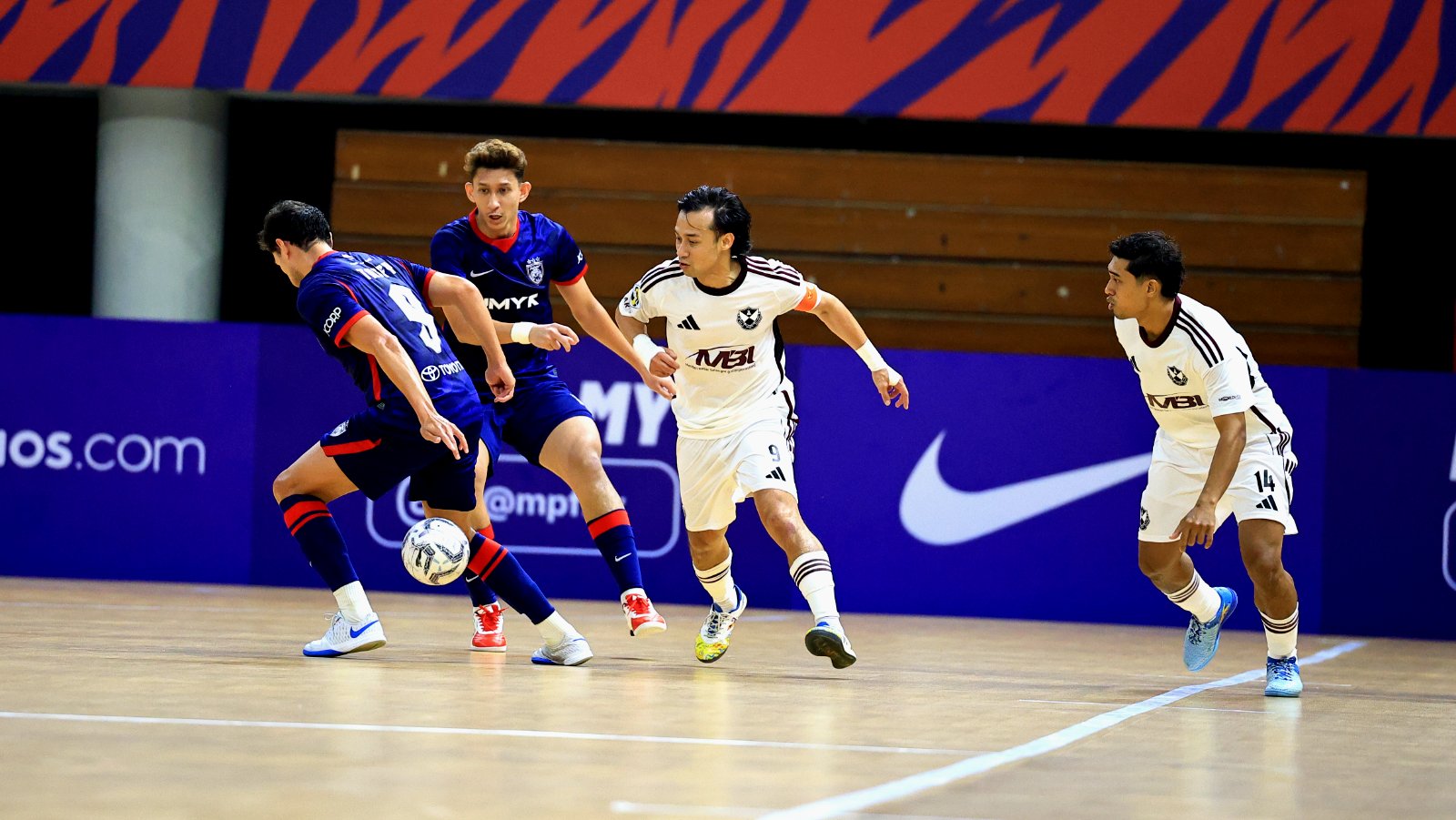
Futsal and football share a ball and eleven letters of vocabulary, but for most of their shared history the two codes have developed along separate tracks, one shaped by wide-open grass pitches, the other by a compact, walled-in court. In recent years, however, football's lawmakers have started borrowing more openly from futsal's rulebook, even as several of the sport's more distinctive quirks remain firmly off limits.
The clearest example is the throw-in. Futsal has never used one, restarting instead with a kick-in that must be taken quickly and with the ball on the ground. Football's own version of that idea has been trialled repeatedly, from a brief experiment in England's Isthmian League in the 1994-95 season through to a fresh authorisation from the International Football Association Board in 2022, when the Dutch second division agreed to test kick-ins as a replacement. The pitch for the change has consistently been speed, keeping the ball in play rather than allowing teams an easy platform to reset and regroup.
The more striking borrowing, though, is visible at this summer's World Cup itself. Goalkeepers are now permitted eight seconds, rather than the old six, to release the ball once in clear control of it, with a corner kick awarded to the opposition rather than an indirect free kick if they overstay that limit. Crucially, referees enforce it exactly as futsal officials always have: by raising an arm and visibly counting down the final five seconds by hand, giving the goalkeeper an unmistakable warning before the whistle goes. It is a strikingly close relative of futsal's own four-second count, adapted only in its length and its punishment, and it exists for the same reason that rule has always existed in the smaller game, because officials found the previous sanction too rarely enforced and too severe to use with confidence. The same logic is now being extended to throw-ins and goal kicks under the latest Laws of the Game, with delayed restarts punished by a visible countdown of their own.
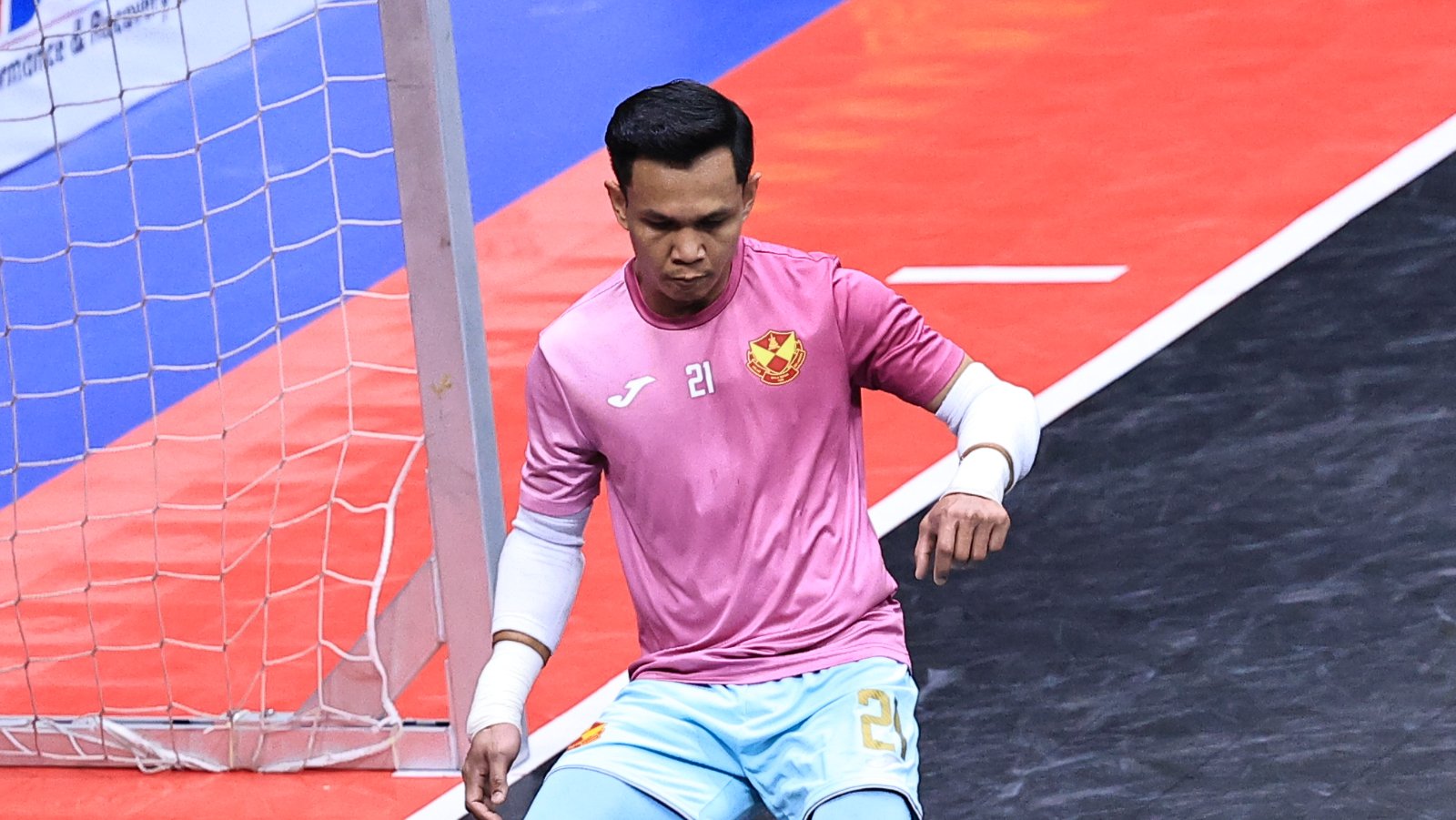
Kick-ins from every touchline dead-ball situation remain unlikely to fully replace the throw-in at senior level, given genuine concerns raised by concussion campaigners about an increase in aerial, long-throw-style play. Unlimited, uncounted substitutions, another futsal staple that allows players to rotate on and off freely throughout a match, sit awkwardly with a sport still debating whether five substitutes are too many. The flying goalkeeper, meanwhile, remains a permitted but vanishingly rare gamble in football, largely because an outfield pitch offers so much more space for an empty net to be exploited than a forty-by-twenty-metre court ever would.
What connects the borrowed ideas is a shared instinct: keep the ball moving, and give officials a punishment they will actually use. What separates the ones football will likely never take is scale. Futsal's laws were built for a small, enclosed space, and many of its most distinctive features only make sense within it, even as the sport's fingerprints turn up in increasingly unexpected corners of the modern game.